
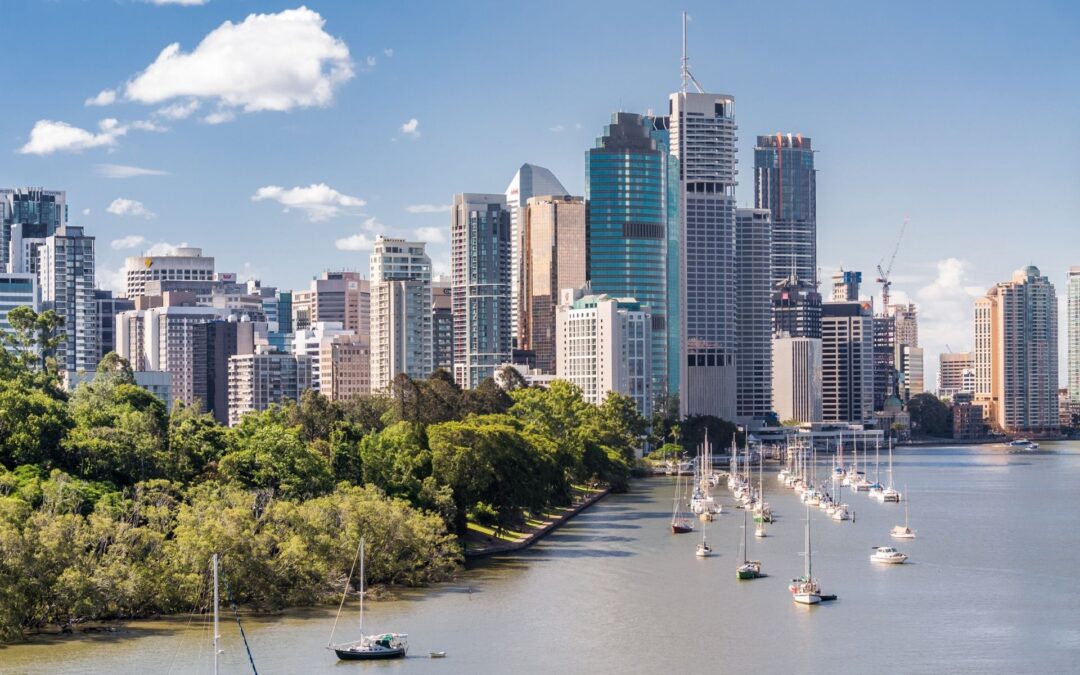
Brisbane is entering one of the largest infrastructure periods in its history as the city prepares for the 2032 Olympic and Paralympic Games. With this surge in projects comes a growing challenge for the construction sector and a direct impact on the property market.
Recent industry analysis shows Queensland could face a shortfall of up to 46,000 construction workers at the peak of the Olympics-related pipeline. Major projects include stadiums, transport upgrades, and wider urban development, all of which require a large and skilled workforce.
What this means for property buyers
Slower project delivery and higher costs
A shortage of workers can lead to longer build times and rising construction costs. These pressures often affect residential development and the supply of new homes in key areas as well as impact on home renovations.
Limited new housing supply
If builders cannot secure enough labour, the delivery of new housing in well-located suburbs may be delayed. This can reduce supply in high-demand areas, particularly those near major infrastructure and employment hubs.
Skills demand and wage growth
A tight labour market often results in higher wages for skilled tradespeople. While this supports local employment, it can also increase development costs and influence housing affordability.
The opportunity for buyers
At PMC, we focus on the long-term fundamentals. Major infrastructure projects create momentum for the city, but they also influence supply and demand in the housing market. For buyers, it is important to look at where infrastructure is driving growth and which areas will see sustained demand over time.
Understanding these dynamics helps buyers make informed decisions. The most successful purchases are those based on long-term market trends rather than short-term hype. Knowing which suburbs are positioned to benefit from infrastructure delivery can support stronger, long-term outcomes.
If you’re looking for experienced buyers agents in Brisbane or Moreton Bay, the PMC Property Buyers team can help you identify high-quality opportunities backed by local knowledge, strategic advice and thorough due diligence.
To read more about the impacts of the shortfall read here.