
Purchasing a strata-titled property, be it an apartment, townhouse or villa, offers a unique blend of private ownership and shared community living. While it can be an excellent entry point into the property market, it’s essential to understand the distinct responsibilities that come with strata ownership in New South Wales.
What is a Strata Property?
A strata property is a property that forms part of a strata scheme, where individual owners hold title to their own lot while sharing ownership of the common property with other owners. Common property can include driveways, gardens, lifts, stairwells, roofs, external walls and recreational facilities.
Strata title is commonly used for apartments, villas and townhouses throughout New South Wales. As a strata owner, you contribute to the upkeep of common property through strata levies and automatically become a member of the owners corporation, which is responsible for managing and maintaining the scheme on behalf of all owners.
Understanding what a strata property is can help you better assess the costs, responsibilities and lifestyle considerations associated with strata ownership before making a purchase.
Does a Townhouse Have Strata?
The answer depends on the type of property. Many townhouses in New South Wales are part of a strata scheme, meaning owners share responsibility for common property and contribute to ongoing maintenance through strata levies. Shared areas can include private roads, visitor parking, landscaped gardens and communal facilities.
However, not all townhouses are strata titled. Some are Torrens Title properties, where the owner has full ownership of both the building and the land without an owners’ corporation or strata fees.
Before purchasing a townhouse, confirm whether the property is strata titled, community titled or Torrens titled, as each ownership structure comes with different obligations and ownership costs.
Key Things to Know Before Buying a Strata Property in NSW
Buying into a strata scheme comes with responsibilities that differ from purchasing a Torrens Title property. Beyond the property itself, you’ll need to understand how the scheme is managed, what ongoing costs you’re responsible for and how decisions are made about common property and shared facilities.
Before committing to a purchase, review the following factors to gain a clearer picture of what strata ownership involves.
1. Understanding Strata Ownership: What You Own vs. What You Share
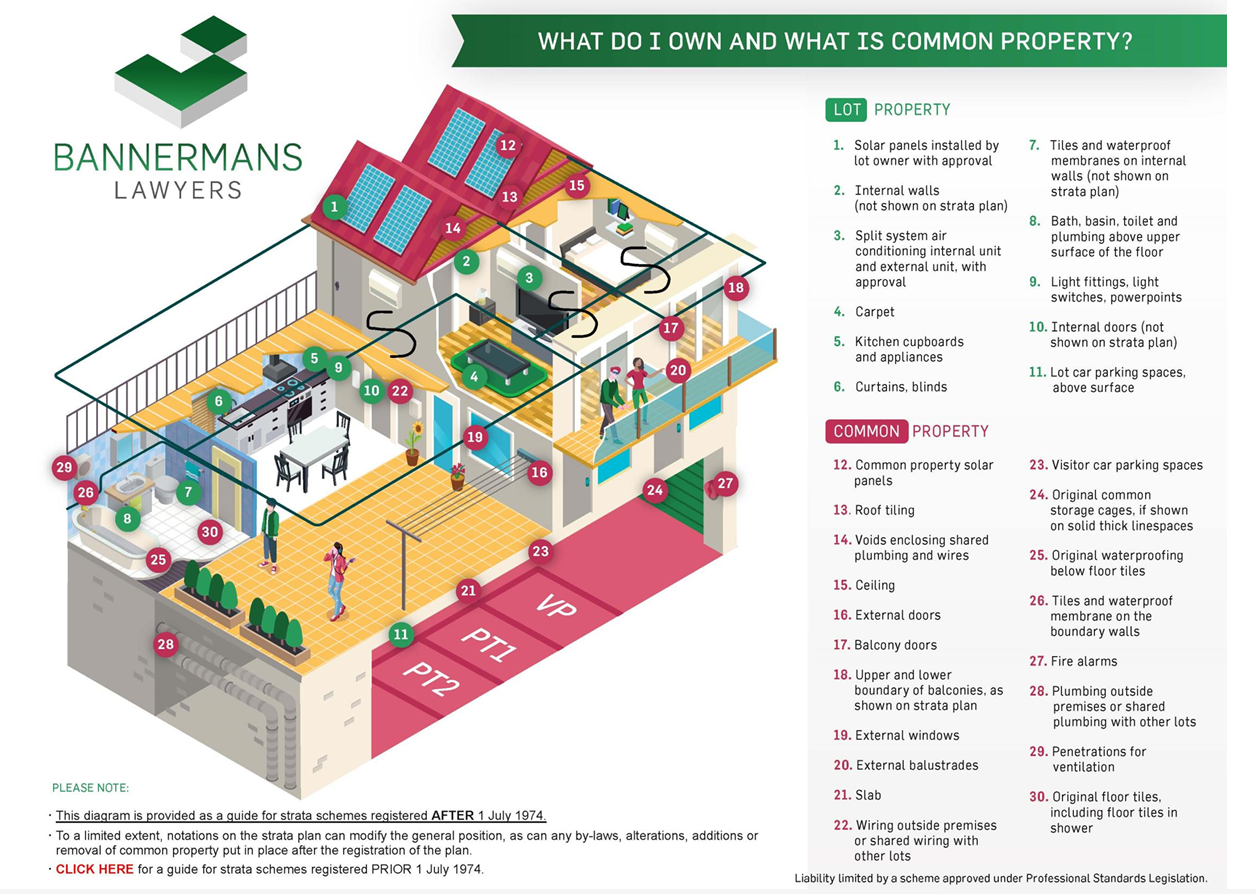
One of the most important things to understand when learning what a strata property is involves knowing the distinction between your lot and common property. When you buy into a strata scheme, you own your individual lot (such as your apartment or townhouse). However, you also share ownership of common property areas with other lot owners. These shared spaces typically include:
- External walls
- Roofs
- Driveways
- Stairwells
- Gardens
As a lot owner, you automatically become a member of the owners corporation, which is responsible for managing and maintaining these common areas.
Bannermans Lawyers have developed this simple guide to help clarify the difference between common property and what falls under the responsibility of the lot owner. Please keep in mind that this is a general reference and applies to strata schemes registered after 1 July 1974. It may not reflect variations in individual schemes, such as approved by-laws or any changes made to the common property, like additions, alterations, or removals, after the original plan was registered.
For schemes registered prior to 1 July 1974, click here.
2. Strata Levies: Your Financial Contributions
Owning a strata property involves regular financial contributions, known as strata levies, which are used to cover various expenses, these are generally charged quarterly and will combine payments into these two different funds:
- Administrative Fund: Covers day-to-day operational costs like your strata management, building insurance, cleaning and gardening.
- Capital Works Fund: Allocated for long-term maintenance and major repairs.
Other intermittent financial contributions may include:
- Special Levies: Payments for unexpected or significant expenses not covered by the other funds, most of the time this is for larger maintenance or repair projects around the block, this could also include upgrades to comply with legislation or local council orders such as the Annual Fire Safety Statement for the complex.
What happens if I don’t pay my strata levies?
- Loss of voting rights: You can’t vote at meetings while in arrears. (This occurs if you are even 1 day or $1 behind)
- Interest charges: If you do not pay levies within one month or the payment due date, you can be charged interest up to 10% per year on overdue amounts.
- Debt recovery: The owners corporation also have the right to recover ‘reasonable costs’ associated with recovering unpaid levies. (e.g. debt collection services, legal services, reminder notice postage and any other expenses related to the recovery process.
- Issues with selling/refinancing: Debts must be cleared before settlement and / or can be taken out upon settlement.
As of July 2025, new laws also require strata levy notices to include clearer information, helping owners better understand their financial obligations.

3. By-Laws: The Rules of Strata Living
Each strata scheme operates under a set of by-laws that govern the behaviour of residents and the use of common property. They help maintain safety, order and fairness within the community.
Each strata scheme has its own set of by-laws. These can be based on the modal by-laws put forward by the government, created specifically for the building, or a combination of both, depending on what the owners corporation decides.
These rules can cover:
- Noise restrictions
- Pet ownership
- Renovation guidelines
- Use of shared facilities
- Short term rental accommodation (AirBnb)
If you’re considering buying a strata property, you should review the scheme’s by-laws and, if applicable, the management statement. These documents must be included in the contract of sale, which you can request from the seller or their agent.
4. Due Diligence: Reviewing Strata Records
Before finalising your purchase, it’s crucial to conduct thorough due diligence, and a key part of that is understanding the difference between strata inspection reports and building inspections, particularly if you’re buying a strata-titled property like an apartment, townhouse or villa.
If you’re purchasing a townhouse within a strata scheme, reviewing strata records is particularly important. While many buyers focus on the condition of the townhouse itself, the financial health of the owners corporation and upcoming maintenance obligations can have a significant impact on future ownership costs.
A strata inspection report is essential for these types of properties. It reviews the records held by the owners corporation and provides valuable insight into how the building is being managed. This includes the financial position of the strata, upcoming or overdue maintenance, special levies, known defects, legal disputes, insurance cover, and compliance with key regulations. The report also includes minutes from previous meetings, which can reveal any ongoing issues or concerns within the building. Essentially, it helps identify anything out of the ordinary and gives you a clear picture of the potential risks or future costs that could affect your ownership.
In contrast, a building inspection focuses on the physical condition of a property. While it’s more commonly required for freestanding homes, it may still be worthwhile for certain strata properties, particularly older buildings or those with features like courtyards or rooftop areas that fall under individual ownership. A building inspection checks for structural problems, water damage, pest activity, and general wear and tear.
If you’re buying a strata property, a strata report is a must. A building inspection isn’t always necessary but can be helpful depending on the type and condition of the property. At PMC, we will also review these reports with you and your legal representative to ensure you are fully informed before you buy.
5. Renovations: Navigating Approvals
While you have the freedom to make some changes within your lot, certain renovations may require approval:
- Cosmetic Work: Typically doesn’t need approval (e.g., painting walls, replacing soft flooring like carpet or installing curtains or blinds).
- Minor Renovations: May require notification or approval, depending on the by-laws. (e.g. installing air-conditioning, replacing hard flooring or installing ceiling fans)
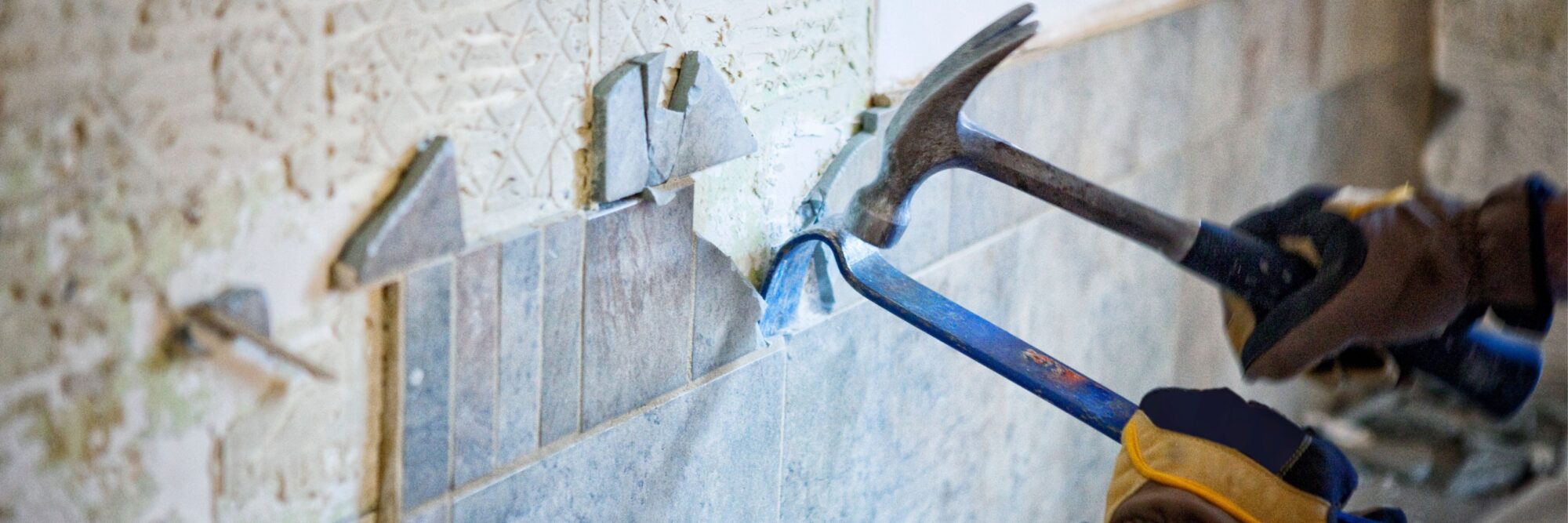
- Major Renovations: Usually need formal approval from the owners corporation in many cases these will need a special resolution at an Extraordinary General Meeting and will require a registered by-law to be created. This by-law will outline the approved work and who is responsible for future maintenance. (nsw.gov.au) (These works include renovations such as removing or altering structural walls, changing waterproofing & relocating plumbing)
Under the new laws effective July 2025, if a strata committee doesn’t respond to a minor renovation request within a specified timeframe, the approval is automatically granted, streamlining the process for owners.
6. Strata Management: Roles and Responsibilities
Understanding who manages your strata scheme is vital:
- Owners Corporation: Comprises all lot owners and makes key decisions about the scheme.
- Strata Committee: Elected by the owners corporation to handle day-to-day management.
- Strata Manager: A professional appointed to assist with administrative tasks and ensure compliance with laws.
7. Community Living: The Social Aspect
Living in a strata scheme means being part of a community. It’s important to consider:
- The culture and dynamics of the residents
- Participation in meetings and decision-making processes
- Communication and conflict resolution mechanisms
Engaging with your neighbours and being active in the owners corporation can enhance your living experience and contribute to a harmonious community.
8. Thinking of buying a new build strata property in NSW?
If you’re buying a new strata title apartment in NSW, it’s important to know that builders must provide warranties covering major structural defects for six years and minor defects for two years, starting from when the building is completed or the occupancy certificate is issued. These warranties protect you against serious issues like structural faults and waterproofing failures, as well as smaller problems such as paint or tiling defects. The Owners Corporation usually manages warranty claims for common areas, while individual owners handle defects inside their apartments. Getting a professional defects inspection early can help you spot issues and ensure your rights are protected.

Is a Strata Property Right for You?
Buying into a strata property involves more than assessing the property itself. Strata levies, by-laws, common property maintenance, renovation approvals and owners corporation decisions can all influence your experience as an owner.
Many apartments, villas and townhouses in NSW operate within a strata scheme, making it important to review the building’s records, financial position, and management before committing to a purchase. A well-managed scheme can help maintain the condition of the property, plan for future maintenance and reduce the likelihood of unexpected costs. On the other hand, unresolved defects, inadequate capital works funds or frequent special levies can become costly issues after settlement.
Purchasing a strata property? Look beyond the property itself and consider how the broader scheme is operating. Reviewing the scheme’s records, meeting minutes, financial statements and upcoming works can provide valuable insight into the building’s long-term outlook and any potential risks that may affect your ownership costs.
Get Expert Advice Before Buying a Strata Property
A strata report can reveal much more than the condition of a building. It can highlight upcoming maintenance works, special levies, compliance issues, disputes and the overall financial position of the scheme.
Buying into a strata property requires more than finding the right apartment. Understanding strata reports, by-laws, levies, building defects and the financial health of the owners corporation is essential to making a well-informed decision. Working with an experienced buyers agent can help you identify potential risks before you commit.
If you’re looking for trusted buyers agents in Sydney’s Northern Beaches, the Lower North Shore or Newcastle, PMC Property Buyers is here to help. Our NSW buyers agents provide independent advice, thorough due diligence, detailed strata report reviews and expert negotiation to help you buy the right apartment or strata property with confidence. Contact PMC Property Buyers today to discuss your property goals and start your search with experienced local buyers agents.
For the full NSW Fair Trading Strata Living Guide, click here.