
Buyer’s Agents Woolloongabba – PMC Property Buyers
Why Woolloongabba?
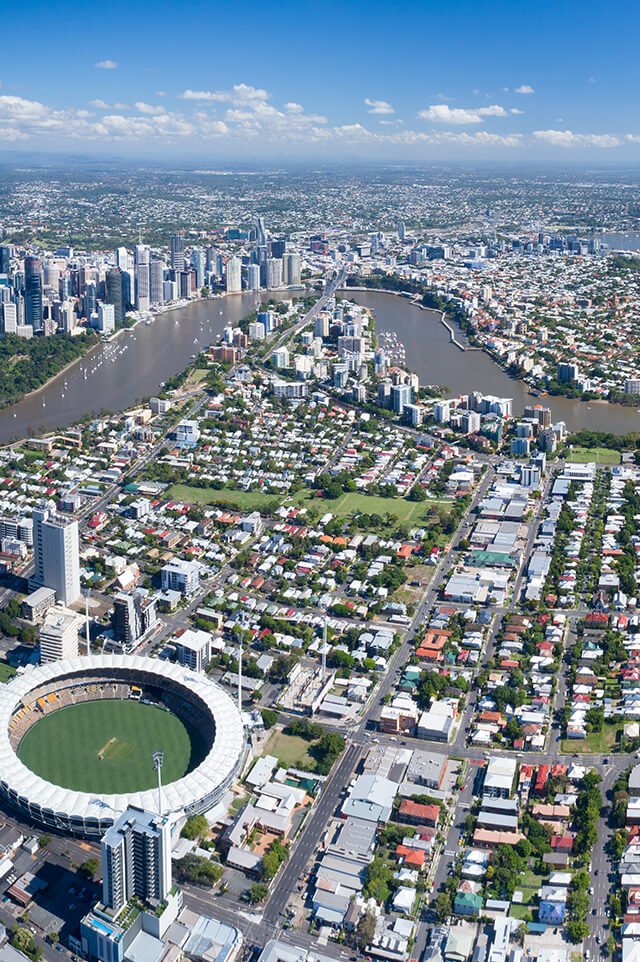
Woolloongabba is an inner-southern Brisbane suburb located around 3 kilometres from the CBD, directly south of the Brisbane River. The suburb has one of the most varied property profiles in Brisbane, combining traditional Queenslanders and character homes with townhouses, apartment buildings, commercial properties and major redevelopment precincts.
The suburb is perhaps best known as the home of the Gabba, Brisbane’s major cricket and sporting stadium. However, Woolloongabba extends well beyond the stadium precinct. The residential streets around Woolloongabba Hill have a different character from the lower-lying areas closer to Ipswich Road, Logan Road and the Princess Alexandra Hospital.
Woolloongabba’s proximity to Brisbane CBD, South Bank, Kangaroo Point and the major hospitals south of the river has helped create a diverse local population. Medical professionals, students, young professionals, families and downsizers all live within the suburb, although the housing type varies considerably between pockets.
PMC’s existing suburb profile estimates that around 40% of Woolloongabba’s residential properties are freehold houses, with the balance made up of units and townhouses. This distinction is important for buyers because Woolloongabba can feel very different depending on whether a property is located on the hill, around the older residential streets or within one of the newer apartment precincts.
The suburb is also undergoing significant change. The Woolloongabba precinct is part of Brisbane’s broader transport and urban renewal plans, with the Cross River Rail project and associated station development expected to influence the surrounding area. Brisbane City Council’s precinct planning identifies the suburb’s connections with South Bank, Boggo Road, the PA Hospital, Kangaroo Point and the CBD as important parts of its future transport network.
The Woolloongabba Fiveways area remains one of the suburb’s most recognisable local hubs, where Logan Road, Stanley Street, Annerley Road and Ipswich Road meet. Around here, buyers will find restaurants, cafes, supermarkets, medical services and other everyday amenities.
Woolloongabba also benefits from its location beside South Bank and Kangaroo Point. The South Bank Parklands, Brisbane River, Kangaroo Point Cliffs and Brisbane CBD are all close enough to form part of the local lifestyle.
For buyers, Woolloongabba is a suburb where understanding the individual street and property is particularly important. Elevation, flood exposure, traffic, apartment density, zoning, development activity and proximity to major infrastructure can all change the experience of living in different parts of the suburb.
Demographics
According to the 2021 Census, Woolloongabba had a population of 8,687 people living in 4,091 private dwellings. The median age was 29 and the average household size was 2.1 people. The median weekly household income was $1,863 and households had an average of 1.3 motor vehicles.
The relatively young median age reflects Woolloongabba’s apartment market, proximity to universities and major hospitals and easy access to Brisbane CBD.
Around the residential streets of Woolloongabba Hill, the demographic profile can be quite different. Larger homes and traditional Queenslanders attract families and established professionals, while apartments are more commonly occupied by singles, couples and investors.
The housing stock also varies considerably in age. Buyers can find pre-war homes with traditional character features, post-war properties, renovated Queenslanders, contemporary townhouses and high-rise apartments.
For property buyers, this means suburb-wide statistics only tell part of the story. A traditional home on an elevated street can have very different considerations from an apartment closer to the major roads or a new development.
Flood mapping, noise, parking, construction activity, body corporate records and future development potential should all be assessed for individual properties.
Health, Education and Schooling
Woolloongabba has one of Brisbane’s strongest concentrations of major healthcare facilities.
Health
- Princess Alexandra Hospital – one of Queensland’s major public hospitals, located directly within the broader Woolloongabba and Dutton Park medical precinct.
- Mater Hospital Brisbane – located nearby in South Brisbane and providing a broad range of public and private medical services.
- Queensland Children’s Hospital – located in South Brisbane and providing specialist paediatric services.
- Greenslopes Private Hospital – located south of Woolloongabba and providing private hospital and specialist services.
- St Vincent’s Private Hospital Brisbane – located in Kangaroo Point and providing private medical and surgical services.
Education
- Dutton Park State School – a nearby state primary school.
- Inner City South State Secondary College – provides secondary education in the inner south and is relevant to current school catchments across parts of Woolloongabba.
- Somerville House – an independent girls’ school in South Brisbane.
- Anglican Church Grammar School – commonly known as Churchie, located in East Brisbane.
- St Laurence’s College – an independent boys’ school in South Brisbane.
- The University of Queensland – the St Lucia campus is accessible from Woolloongabba via the inner-southern transport network.
- Queensland University of Technology – the Gardens Point campus is located across the river from Woolloongabba.
School catchments and enrolment requirements can vary between properties, so buyers should confirm the current catchment for a specific address before purchasing.
Cafes & Dining
Woolloongabba has developed a much broader dining scene in recent years, particularly around Logan Road, Stanley Street and the Fiveways precinct. There is a large variety of cafes and restaurants for residents to choose from.
- Epilo Cafe – A unique green space that sells coffee, toasties, pastries, plants and a range of small gifts. They offer upstairs seating that is great for work or study also.
- Banneton Bakery – a long-standing local bakery and cafe at 25 Balaclava Street. Banneton has been operating from Woolloongabba since 2009 and is known for sourdough bread, pastries, coffee and savoury options.
- Brown Dog Cafe – another established local cafe with a following among Woolloongabba residents.
- South City Square – a major mixed-use precinct with residential development, retail, dining and everyday services.
- Stanley Street East – provides access to cafes, restaurants and takeaway venues around the Fiveways area.
- Logan Road – runs through the heart of Woolloongabba and provides a mix of restaurants, cafes and local businesses.
- The Norman Hotel – an established pub and dining venue on Ipswich Road, close to the Woolloongabba and East Brisbane boundary.
The dining offering is complemented by nearby South Bank, where residents can access a much larger range of restaurants, cafes and cultural venues.
Parks & Recreation
Woolloongabba’s location means residents are close to several major recreational areas.
- The Gabba – Brisbane’s major cricket and sporting stadium and an important part of the suburb’s identity.
- South Bank Parklands – provides riverside parkland, walking paths, gardens, swimming areas, playgrounds and access to restaurants and cultural venues.
- Kangaroo Point Cliffs – provide walking routes, river views and access to Brisbane’s riverside recreation network.
- Raymond Park – a local riverside park in Kangaroo Point.
- Brisbane River – provides walking, cycling and recreational opportunities around the surrounding inner-city suburbs.
- Riverwalk connections – provide access towards South Bank, Kangaroo Point and the CBD.
The suburb’s location is particularly useful for residents who enjoy being close to large public spaces without living directly in the CBD.
Transport
Woolloongabba is one of Brisbane’s better connected inner suburbs.
- Translink – provides extensive bus services through Woolloongabba and surrounding suburbs.
- Woolloongabba Busway Station – provides access to Brisbane’s South East Busway and services towards the CBD and southern suburbs.
- Cross River Rail – the Woolloongabba precinct is part of the Cross River Rail network and associated station development.
- Pacific Motorway – provides access north towards the CBD and south towards Brisbane’s southern suburbs and the Gold Coast.
- Ipswich Road – connects Woolloongabba with Dutton Park, Annerley and the southern suburbs.
- Stanley Street and Logan Road – provide important local connections through the suburb.
Event traffic is also a consideration. Brisbane City Council identifies a Gabba Traffic Area covering parts of Woolloongabba, East Brisbane and Kangaroo Point, with special parking and traffic arrangements applying around major events.
Surrounding Suburbs
- East Brisbane – east of Woolloongabba, with Queenslanders, character homes and access to the Gabba precinct.
- Kangaroo Point – north of Woolloongabba, known for apartments, river views and the Kangaroo Point Cliffs.
- South Brisbane – across the river, with cultural venues, apartments, dining and South Bank Parklands.
- Dutton Park – south-west of Woolloongabba, with established homes and access to major hospitals and universities.
- Highgate Hill – west of Woolloongabba, offering elevated character homes and views towards the city.
- Annerley – south of Woolloongabba, with established homes, apartments and local shopping.
For buyers considering Woolloongabba, the suburb’s location and transport access need to be considered alongside its significant variation in property type and surrounding development. Buyers should investigate flood exposure, elevation, traffic, event-day impacts, construction activity and zoning at the individual property level. Apartment buyers should also examine body corporate records and planned capital works, while buyers of older homes should assess renovation requirements and potential development constraints.
Ready to buy in Woolloongabba?
Our local team has extensive experience across Woolloongabba and the wider Brisbane property market. To learn more about the surrounding suburbs and how we can help, visit our Brisbane buyers agent page.
Do you need a Buyer’s Agent in Woolloongabba who can assist you to purchase a property?
Why do you need a buyer’s agent in Woolloongabba? We gain access to properties that are not on the real estate forums removing competition, we have a team of past valuers and agents, we are experienced negotiators who also manage your contract process to alleviate the stress and remove the emotion.