
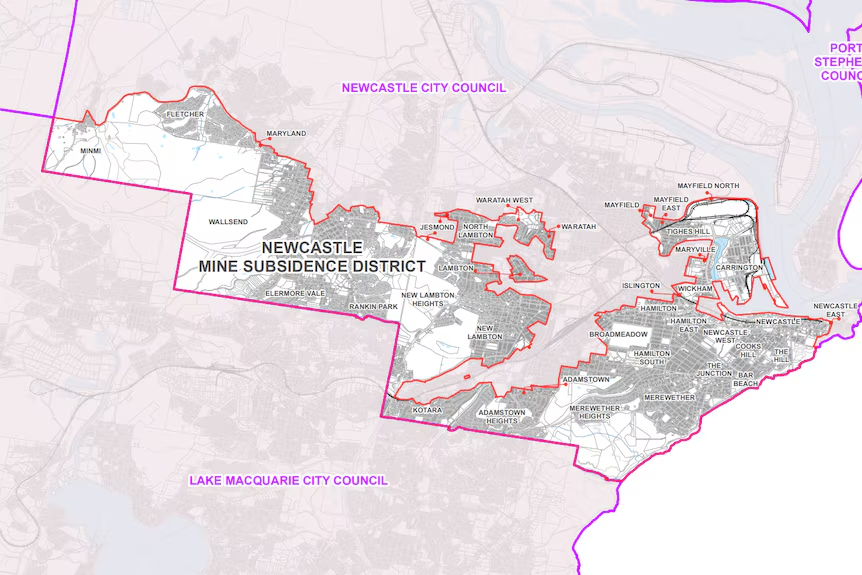
Newcastle is a city built on a rich industrial history, and nothing reflects that history quite like the labyrinth of historical coal mine workings running beneath its surface. While underground coal mining shaped the region’s economy for well over a century, it left behind a modern legacy that every local property buyer and owner must navigate: mine subsidence.
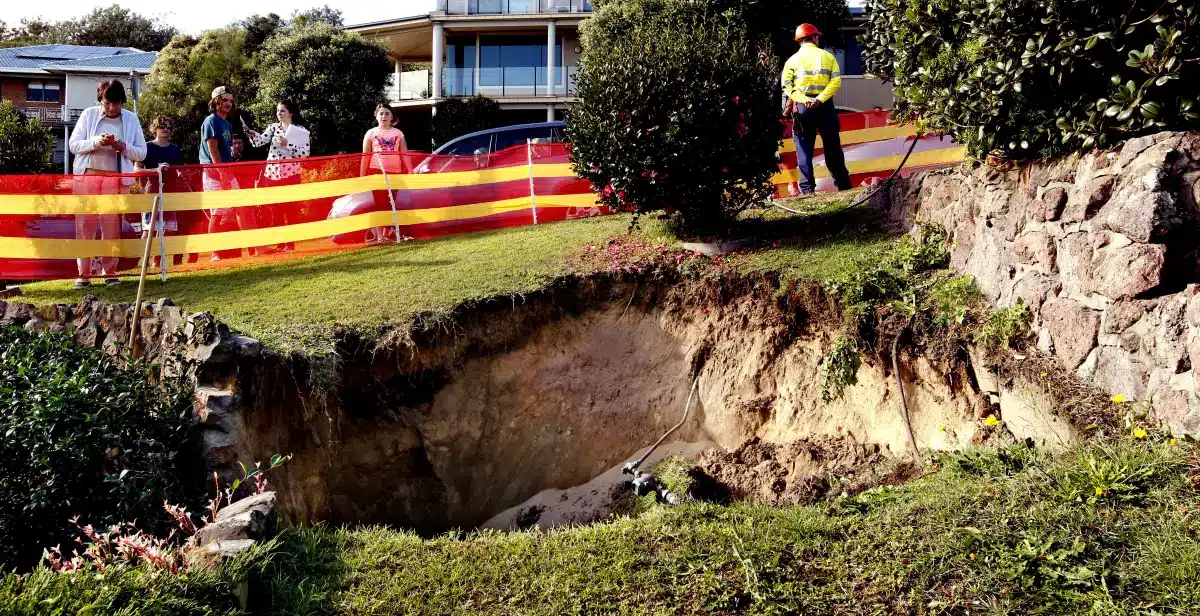
Mine subsidence occurs when the ground surface shifts, sinks, or tilts due to the collapse of underground voids left behind by historical or active mining.
For property owners and buyers, this is not a reason to panic, but it is a reason to be informed. Newcastle has successfully managed subsidence risks for decades while maintaining a thriving property market.
1. The Mapping Reality: Are You in a District?
The New South Wales Government has declared specific areas as Mine Subsidence Districts. These are geographic zones where historical or planned underground coal mining poses a potential risk to surface structures.
Large swaths of Newcastle—including parts of the CBD, Newcastle West, Wallsend, and Lambton—fall into these designated districts.
How to Check Your Property
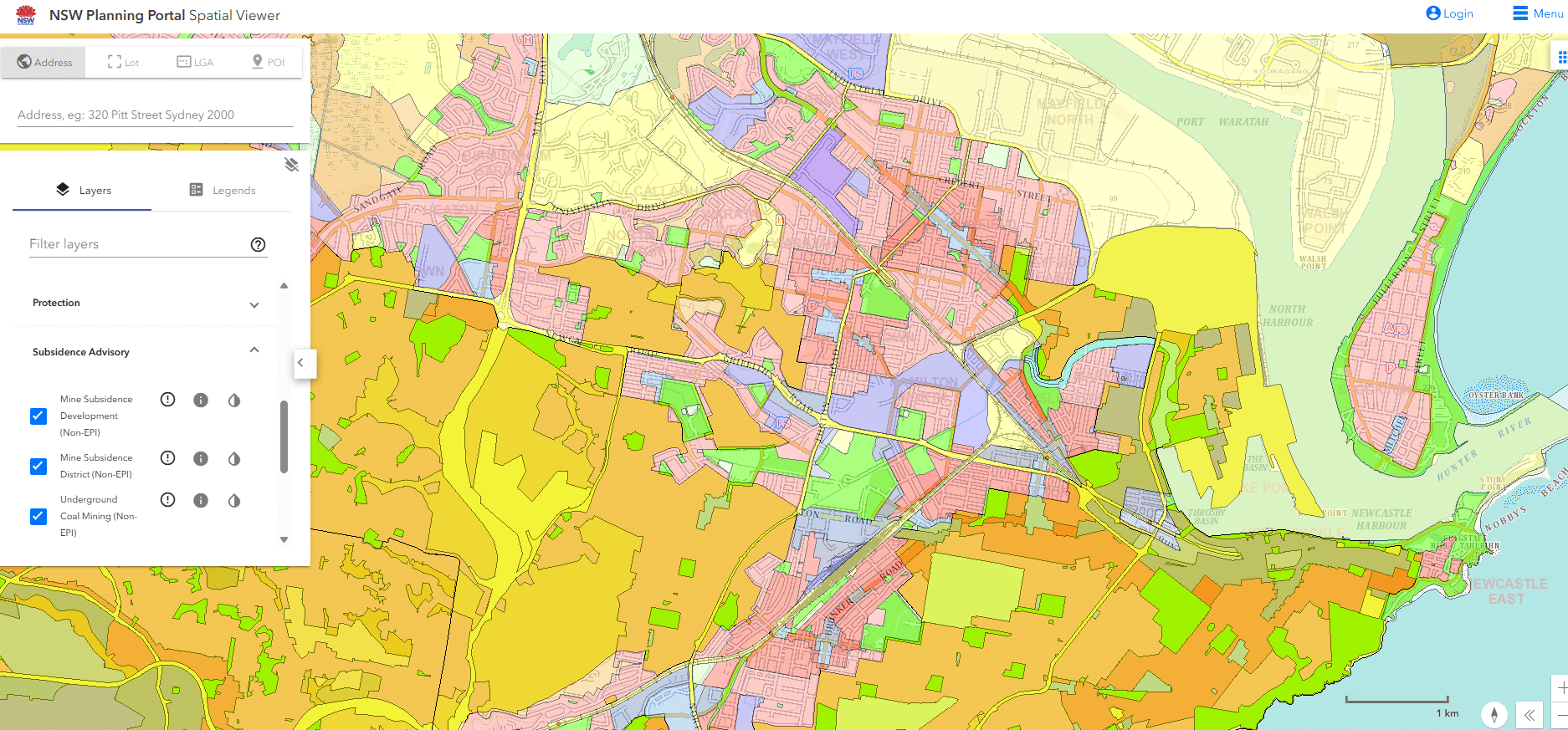
You can quickly check if a specific address is affected using the NSW Planning Portal Spatial Viewer.
- Search by address or Lot/Deposited Plan (DP) number.
- Look for the Subsidence Advisory NSW map layers.
- If the property falls within a district, the system will specify which development guidelines apply to the block.
2. What it means for Property Buyers
Buying a home in a Mine Subsidence District comes with a few extra moving parts, particularly during due diligence and financing.
The Lending Landscape
A common myth is that banks automatically refuse mortgages on properties in mine subsidence zones. This is false. Lenders routinely approve mortgages in these areas, but they protect themselves by requiring proof that the home is protected.
- The “Compensation Safety Net”: Lenders want to know that if the ground shifts, the home is eligible for state-backed compensation.
- The Process Shift: Historically, buyers relied on a “Section 15B Certificate” to prove eligibility. While Subsidence Advisory NSW stopped issuing new 15B certificates in late 2019, an online historical register remains for properties built before then. For newer homes, providing a Council Occupation Certificate proves the building met all necessary construction guidelines, which triggers automatic coverage.
- Finance Clauses: Because bank valuers may take a few extra days to assess a property near active or historical workings, it is wise to request an extended finance clause (e.g., 10 days instead of the standard 5) when making an offer.
Contract Protections & Legal Rights
Under the Coal Mine Subsidence Compensation Act 2017, buyers have robust protections during the transaction process:
- The Right to Withdraw: If a structural dwelling on the property does not comply with Subsidence Advisory development requirements, the buyer may have the legal right to rescind (withdraw from) the contract of sale.
- Claim History Searches: Always have your conveyancer or solicitor request the property’s claim history. While there is no public register of past claims, sellers are legally obligated to disclose accepted, unrectified claims via a deed of release during negotiation.
3. What it Means for Current Property Owners
If you already own a home in a Newcastle subsidence district, your responsibilities centre around future renovations and knowing how the state’s compensation safety networks.
Development, Renovating, Extending and Building
You cannot simply build whatever you like in a Mine Subsidence District. Any new structural footprint, extension, or major alteration requires approval from Subsidence Advisory NSW before you lodge a Development Application (DA) with the City of Newcastle.
Subsidence Advisory enforces strict Development Guidelines tailored to the specific risk profile of your block. These rules dictate:
- The allowable height, size, and location of new structures.
- The types of building materials allowed (e.g., highly flexible framing or articulated brickwork designed to tolerate slight ground movement).
- The necessity of specialized engineering designs, such as concrete slab specifications that can bridge minor soil voids.
Local developer and builder Karl Hellyar of Hellyar Design and Construct who specialises in knockdown rebuilds and detached duplex projects has built and reviewed hundreds of sites that reside on mine subsidence lots. ‘In general, most guidelines we can easily work within the parameters of cost-effectively, or if it’s a minor renovation. However, once you embark on a substantial renovation or extension the works will be reviewed as a new development. For a guideline 1 (1A is doable) or guideline 7 rating it becomes very difficult and expensive.’
⚠️ Warning: Failing to get Subsidence Advisory approval for a renovation can void your property’s eligibility for future compensation claims, drastically reducing the resale value of your home.
The Compensation Scheme: Your Safety Net
If your home does experience damage—such as sudden, severe structural cracking, foundational tilts, or jammed doors caused by underground shifting—you are protected by a state-administered fund funded by levies on the mining industry.
|
Aspect |
Compensation Policy Details |
|
Eligibility |
Available to all NSW properties, provided any post-district structures were built with correct approvals. |
|
Claim Window |
Claims must be lodged via the Subsidence Advisory online portal within 12 months of the damage becoming known. |
|
What’s Covered |
“Like-for-like” structural repairs, damaged architectural fittings, relocation/temporary accommodation expenses, and lost rent for investment properties. |
While the claims process involves rigorous technical assessments by structural engineers, the safety net is highly effective. In fact, fewer than a handful of claims have been rejected across the state over the last decade due to non-compliance issues.
The Takeaway
Mine subsidence is a structural reality of living in Newcastle, but it is a heavily regulated and heavily insured one. By using the NSW Planning Portal to check classifications, securing the proper structural approvals for any building work, and ensuring your conveyancer verifies compliance history, you can buy or own property in Newcastle with absolute confidence.
Concerned about mine subsidence when buying property?
Understanding the risks associated with mine subsidence is an important part of making an informed property decision. Whether you’re considering a home in Newcastle, Lake Macquarie, the Hunter Region or other mining-affected areas, having the right advice can help you avoid costly surprises.
At PMC Property Buyers, we have a team of locals who conduct thorough due diligence and help our clients identify potential risks before they buy, giving them the confidence to make smarter property decisions.
If you’re considering purchasing in a mine subsidence area or want to know more about what’s happening in Newcastle, get in touch with our buyers agents in Newcastle today for expert guidance and peace of mind.